Go and Fill That Stadium
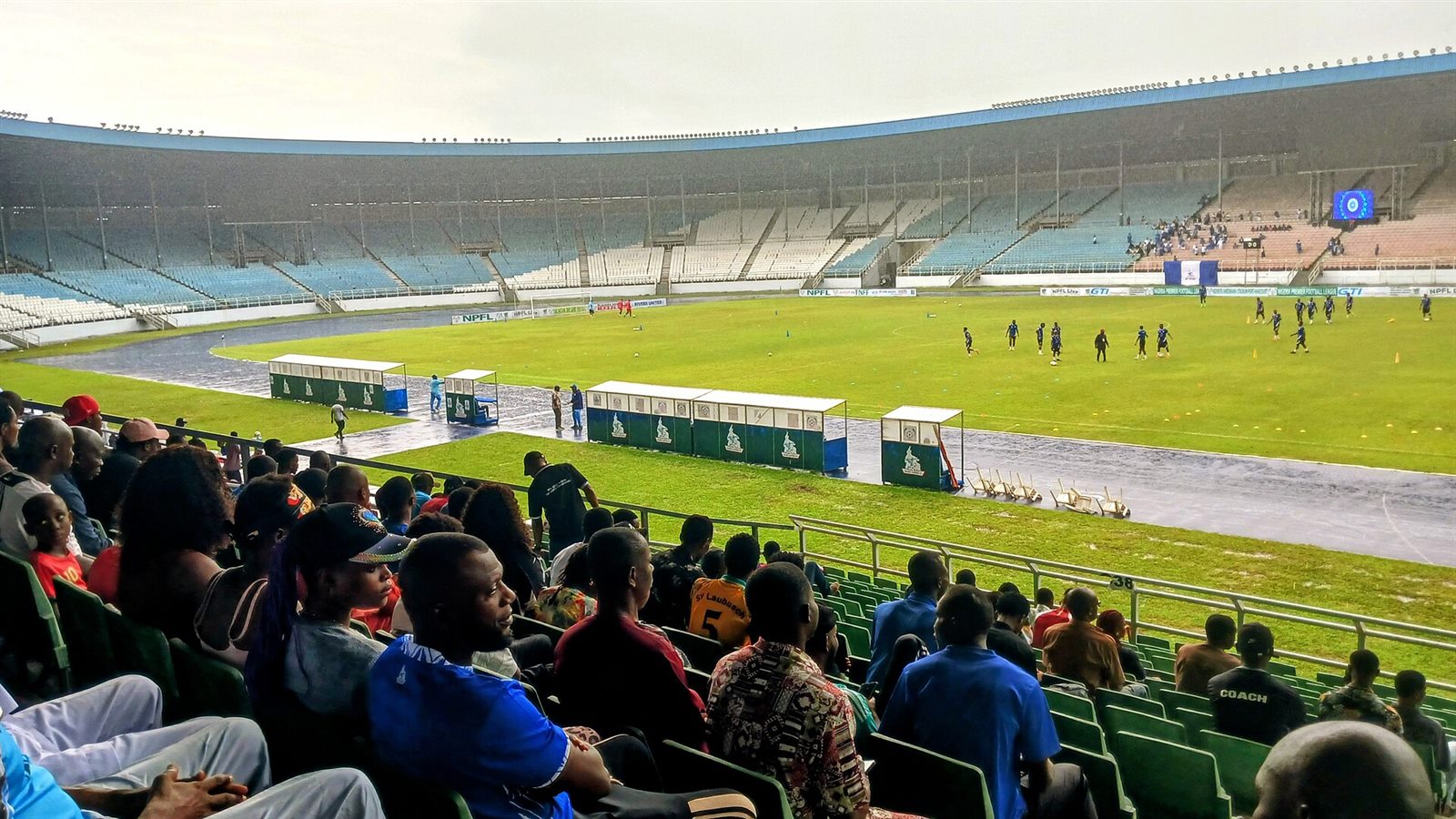
Less than two weeks before the presidential election in February 2023, the Peoples Democratic Party called off its presidential rally in Port Harcourt. The Rivers state campaign council said the state government had withdrawn its use of the Adokiye Amiesimaka Stadium, and that its members had been attacked. Nyesom Wike, then the PDP’s own governor of Rivers, denied all of it. According to him the stadium had been approved, but the campaign simply did not have the numbers to fill it. He even offered to buy them diesel. In his own words “Mobilise, go and fill that stadium.”1
I can’t tell you whose account was true, and honestly it doesn’t really matter. What interests me is the test Wike set. He challenged Atiku’s campaign not to make a better argument. Rather he challenged it to fill up a stadium.
Yesterday the APC opened President Tinubu’s re-election campaign in Kaduna, with Port Harcourt and Maiduguri next.2 Between now and the presidential election on 16 January and the governorship elections on 6 February,3 every party with a serious candidate will try to pass the same test. We will see a lot of full stadiums. And this issue is about how you and I can read and understand them.
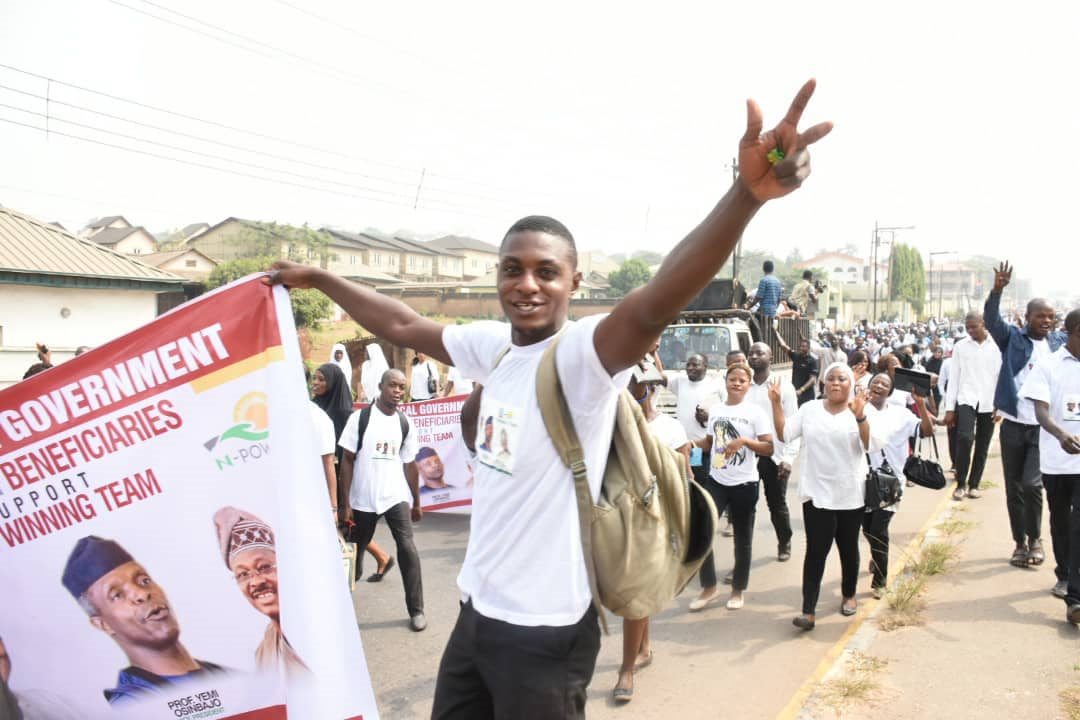
A rally does at least five jobs. It tries to persuade people who have not decided. It tells everyone who looks likely to win. It shows local power brokers, and anyone thinking of switching sides, who can move people, money and vehicles on a fixed date. It tests the party’s own network, the same network that will later have to staff polling units. And sometimes it is a way of handing things out. Persuasion is on that list, but I suspect it is the smallest and the most insignificant item on it.
People who study African elections have found something similar. Dan Paget, who studies campaigns in Tanzania, argues that many African campaigns are built around the rally, and that local party networks put much of their effort into “producing” rallies.4 In Ghana, Sarah Brierley and Eric Kramon found that the ruling party held its rallies mostly in its own strongholds, and went door to door where it was weak.5Altough neither study is about Nigeria, they both point the same way. A rally is mostly for people who are already on your side. Looking at the information that has been given by various scholars and my own observations it is safe to say that a rally (at least in the African and in this particular case a Nigerian context) is less about winning an argument than about showing a machine. That stays true even when part of the crowd has been paid, because someone still had to raise the money, hire the buses and fill the stadium on the right day. With that in mind, here are six things to look out for at any rally this season, regardless of which party is holding it.
Who is on the stage, and who isn’t
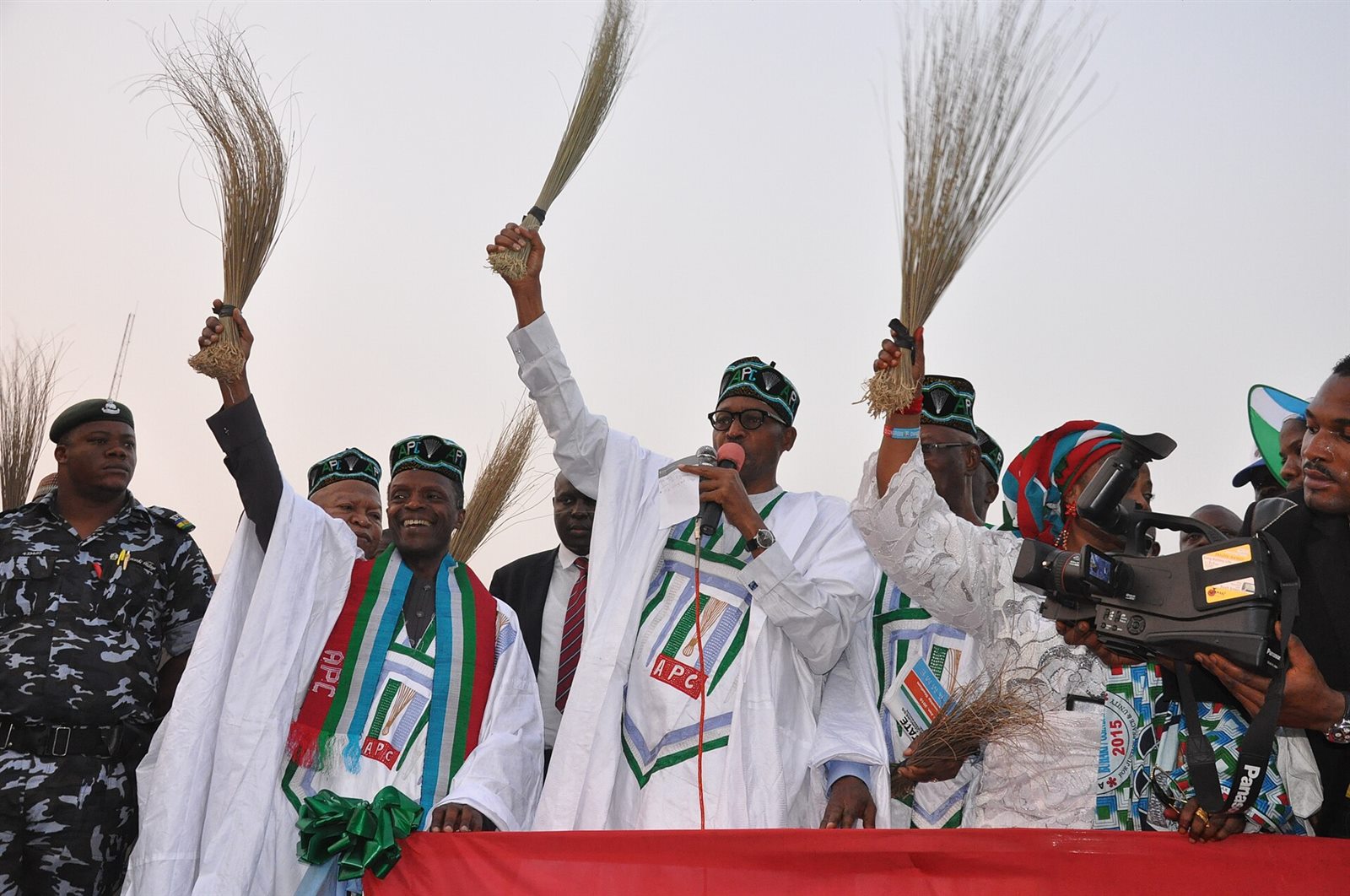
Then I want you to notice who is missing on some of these stages. A governor who sends a representative, or a former ally who is suddenly busy that day, is often the real news from a rally. Ask the same of every campaign. An ADC or NDC stage tells you as much about their coalitions as an APC stage tells you about theirs.
How the crowd got there
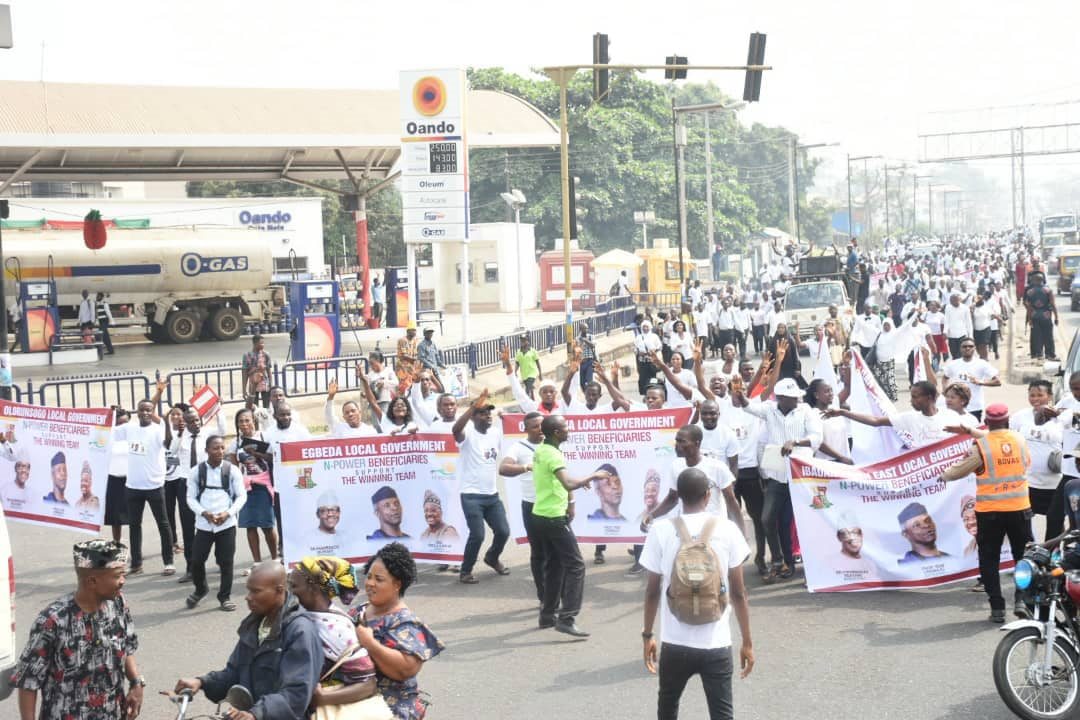
This is the machinery I was talking about in Issue 3, the thing Chief Nanga had and Odili did not. And it is why a full stadium matters more than it seems, because Nigeria has 176,846 polling units.6And on election day, what counts is whether a party can put agents and voters at those units, and the network that fills a bus on a Saturday afternoon is often the same network that will try to fill those units in January. Under the Electoral Act 2026, a presidential candidate may now spend up to ₦10 billion on a campaign, double the old limit.7 Rallies are one of the places where you can actually watch that money being spent in real time.
What people were given, or promised
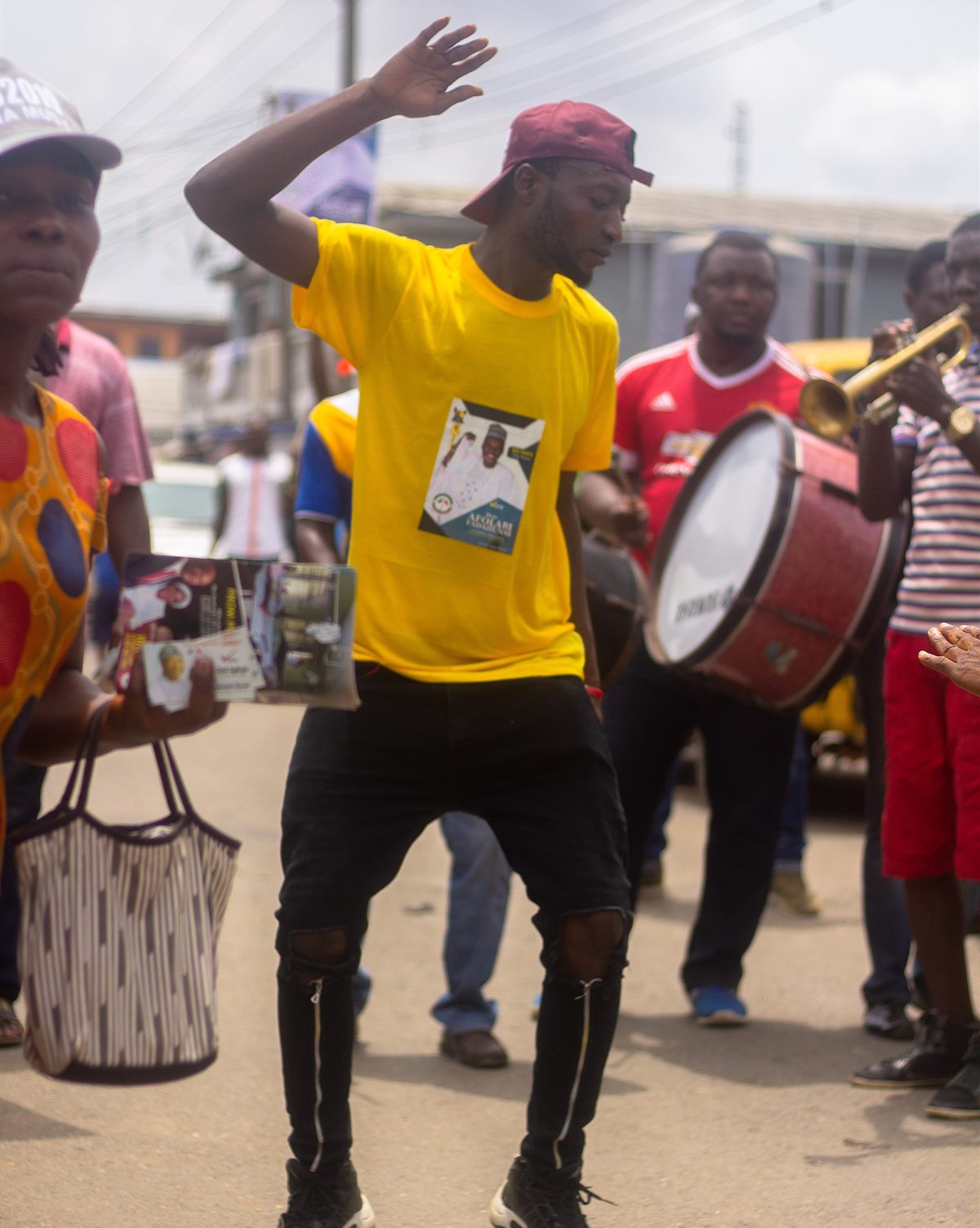
Furthermore, there is survey evidence that backs up the stories told by the politicians mentioned above. Across 33 African countries, Afrobarometer found that 28 per cent of people who had attended a rally said that, during the last election, they had been offered something, like food, a gift or money, in exchange for their vote. The same researchers found that receiving a gift made no difference to whether someone actually voted.9 These are continental figures, not Nigerian ones, and they do not tell us what share of any particular crowd was paid to attend. Nor does the finding about whether people voted tell us whom they voted for. The survey however clearly shows that material incentives are part of electoral politics (i.e. the customary half bag of rice or 5k in cash), but it cannot tell us how much genuine support a particular crowd represents.
We have to point out that distinction because, a crowd’s presence can be bought, so its size is a poor measure of how much support a candidate commands. But organising such a crowd is not meaningless. It requires money, coordination, people who can be trusted to distribute it, and a way of getting everyone to the venue at the right time. A rented crowd may tell us little about how many people would vote for a candidate, but it can tell us something about the campaign’s ability to mobilise people and resources.
What was actually said
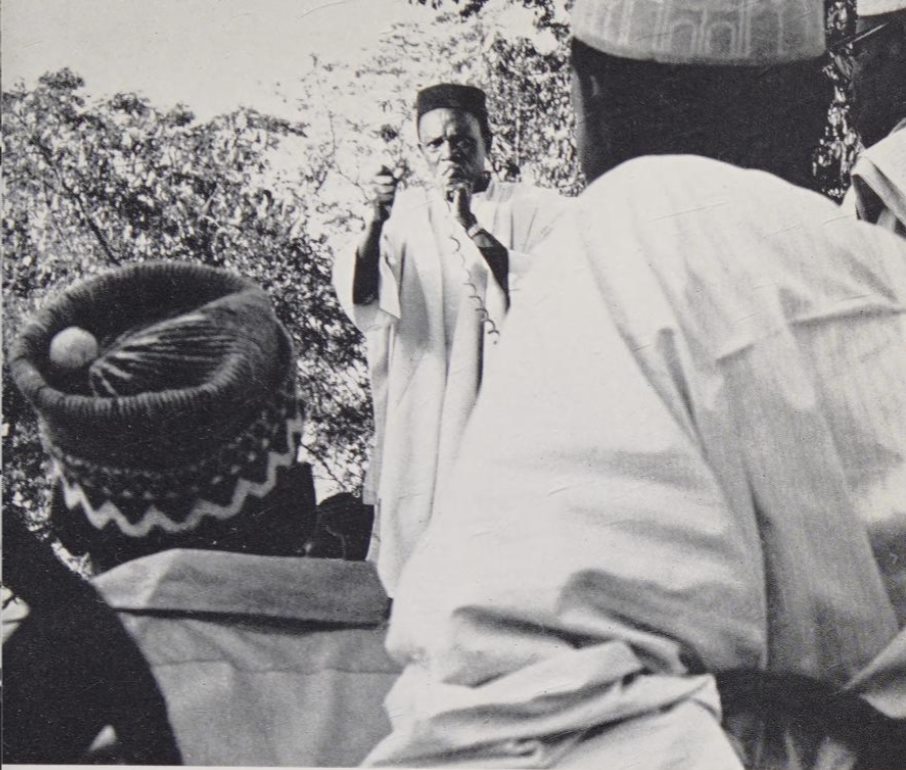
This is the persuasion job, and as I pointed out earlier it is the one rallies may do least. This is not a complaint about any one party in particular. A crowd that has already been brought, fed and entertained does not need much convincing. But it does mean a rally is a poor place to learn what a candidate will actually do, and a better place to learn who is backing them.
How the crowd is photographed
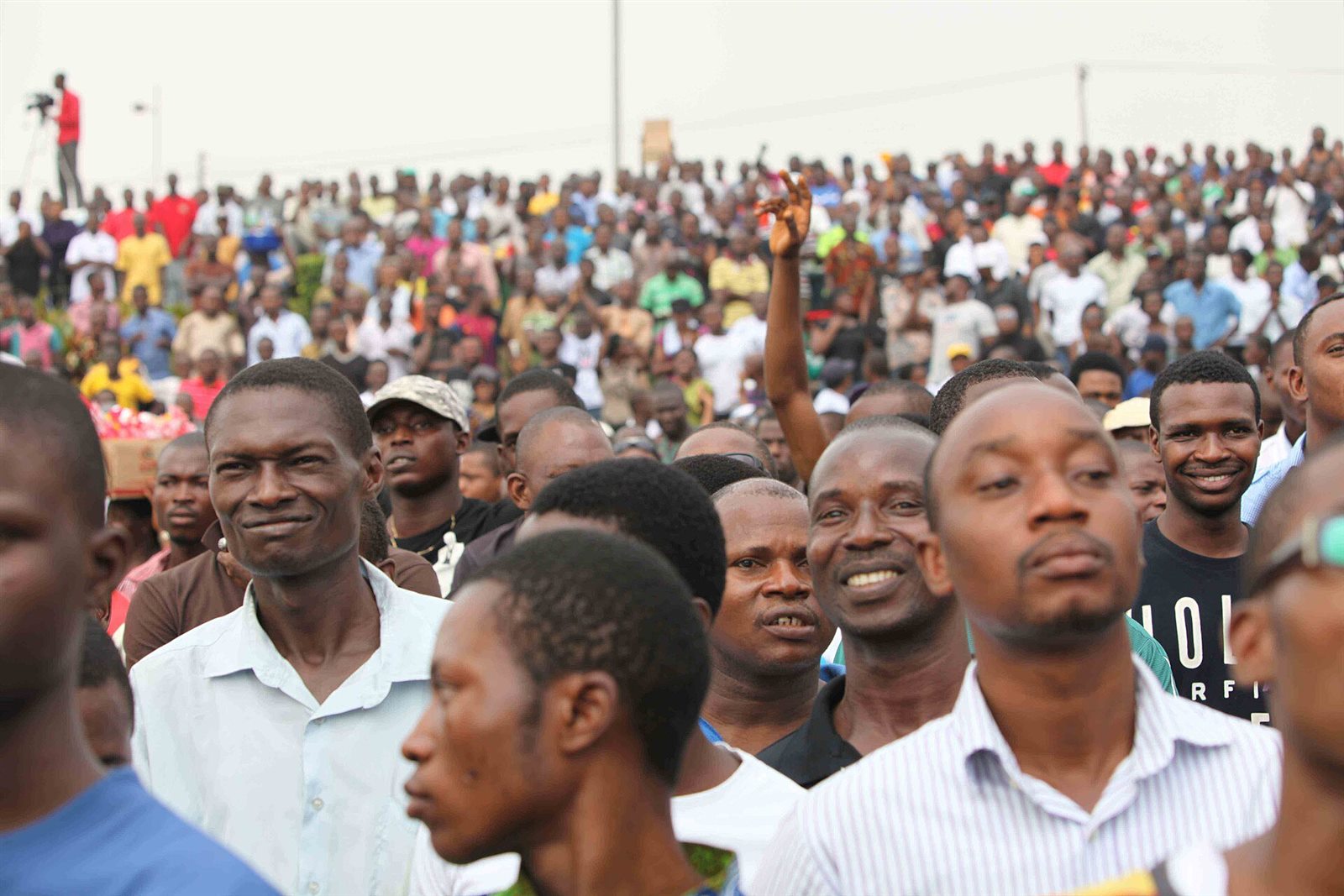
The same caution applies to pictures shared by opponents. During the 2023 campaign, a photo of an empty stadium circulated online as proof that the Labour Party’s rally in Kaduna on 18 January had flopped. Africa Check found no evidence establishing when the photo was taken, while video from the rally showed a sizeable crowd.10 The problem is that crowd size is treated online as a verdict on a candidate’s popularity. But even an accurate photograph can show only who turned up, not why they came or how they will vote. A rally can demonstrate a campaign’s ability to mobilise people; by itself, it cannot tell us how much support the candidate commands.
What is left in your ward after the convoy leaves
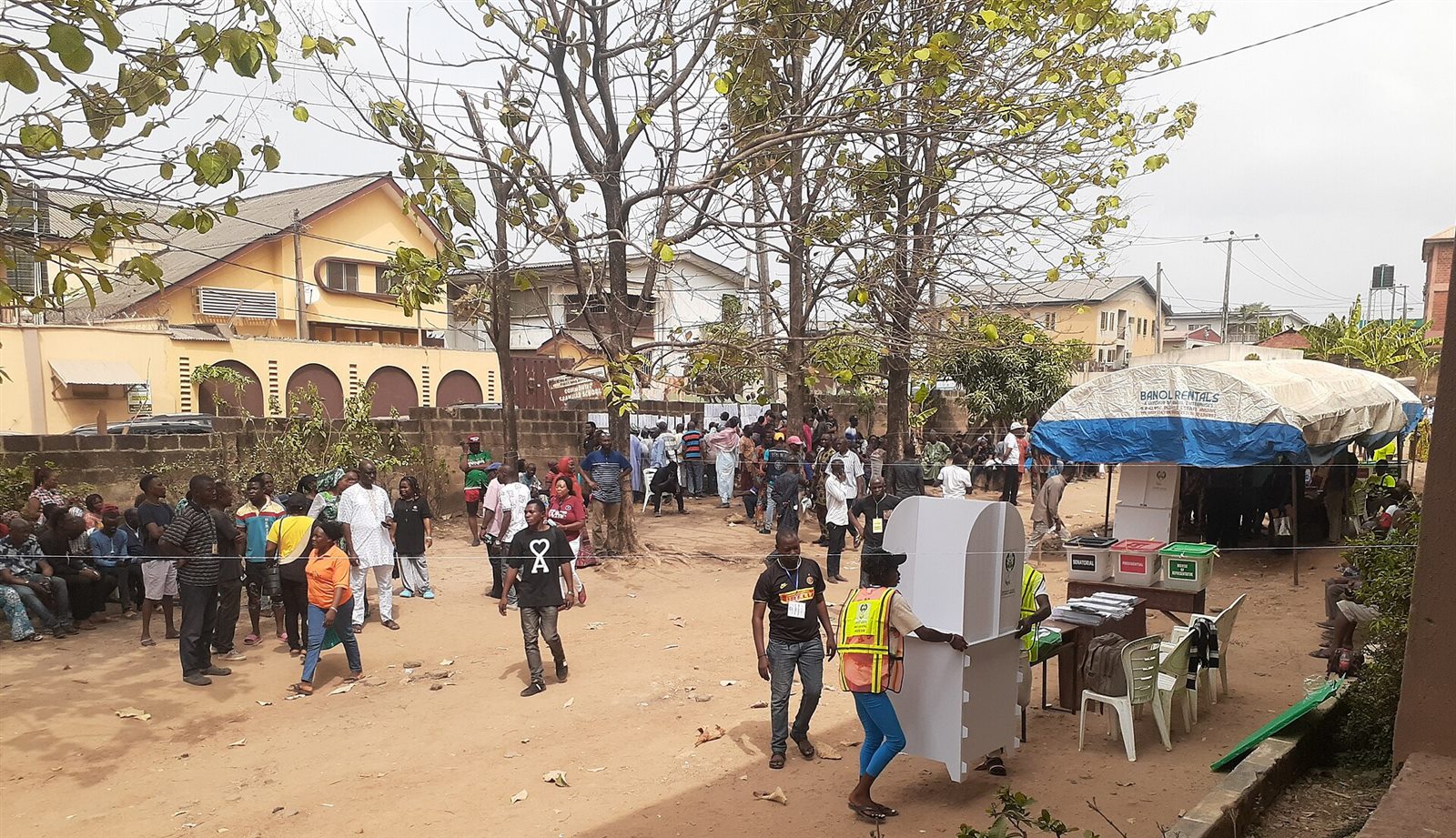
In Afrobarometer’s survey after the 2019 election, about a quarter of Nigerians said a party representative had contacted them during the campaign, and parties contacted their own supporters about twice as often as people with no party at all.9 So if nobody has come to you, that tells you something too. It may mean the parties believe they already know how your street will vote, or that nobody has built anything on your street at all.
This is where the stadium and the ward meet. In the first issue of The III Avenue, I asked you to find out who your local government chairman is, because the people who fill stadiums in October are often the same people who run wards and councils the rest of the year.
Send us what you notice
In Issue 3, I asked what is still there when the screen goes dark. The same question works for a stadium. A stadium can be filled for one afternoon. What decides January is who fills the polling units.
So here is a small request. If you see a rally this season, on your screen or in passing, write to us on the Letters page. Tell us where and when, which of the six things you noticed, and anything that surprised you. We will check what we can before anything is published, and the best letters will run in a future issue, with your name or without it. Please don’t go into a crowd on our account. Watching from a safe distance is enough.
Notes
- Blessing Ibunge, “PDP Cancels Presidential Campaign Rally in Rivers over Attacks on Members,” ThisDay, 14 February 2023. ↑
- Baba Martins, “2027: Tinubu will commence campaign in Kaduna – Yari,” Daily Trust, 9 October 2026. ↑ ↑
- “INEC Issues Revised Timetable for 2027 General Election,” Voice of Nigeria, 27 February 2026, reporting INEC’s announcement. ↑
- Dan Paget, “The Rally-Intensive Campaign: A Distinct Form of Electioneering in Sub-Saharan Africa and Beyond,” International Journal of Press/Politics 24, no. 4 (2019): 444–464. ↑
- Sarah Brierley and Eric Kramon, “Party Campaign Strategies in Ghana: Rallies, Canvassing and Handouts,” African Affairs 119, no. 477 (2020): 587–603. The study uses survey data from Ghana’s 2012 election. ↑
- “2023: INEC creates additional 56,872 polling units — total now 176,846,” TheCable, reporting INEC’s announcement. ↑
- Muideen Olaniyi, “Electoral Act raises presidential campaign expenses to N10bn,” Daily Trust, 23 February 2026, reporting the Senate Leader’s summary of section 92 of the Electoral Act 2026. The previous limit was ₦5 billion. ↑
- “EXTRA: Attendees once abandoned a PDP rally because they were only paid for 2 hours, says Atiku,” TheCable. ↑
- Robert Mattes, Matthias Krönke and Sarah Lockwood, “Whom do African election campaigns contact? And does it matter?,” Afrobarometer Working Paper No. 208, February 2025. The survey covers 33 countries in 2019–2021; the Nigerian figures refer to the 2019 general election. In Nigeria, 24 per cent of respondents were contacted by a party; 15 per cent of all respondents were party supporters contacted by their own party, against 7 per cent who were people with no party being contacted, which is about twice as many. ↑ ↑
- “Photo of empty stadium at Nigeria Labour Party Kaduna rally? No, online post is misleading,” Africa Check. ↑
Thanks for reading. Write back: we read every letter.
Keep walking
The issue before this one, and one more from the archive
Essay
Worldview Through Fiction #2: The Argument and the Machine
First published on LinkedIn on 21 September 2026. A lot of political discussion now happens online. We are able to make arguments about corruption, criticise a government, defend a candidate or explain a political issue…

Essay
How long and How many?
This past week I watched a video that made a confident claim about how societies can change. According to the short Youtube clip, once the square root of the population changes its mind about something then societal…